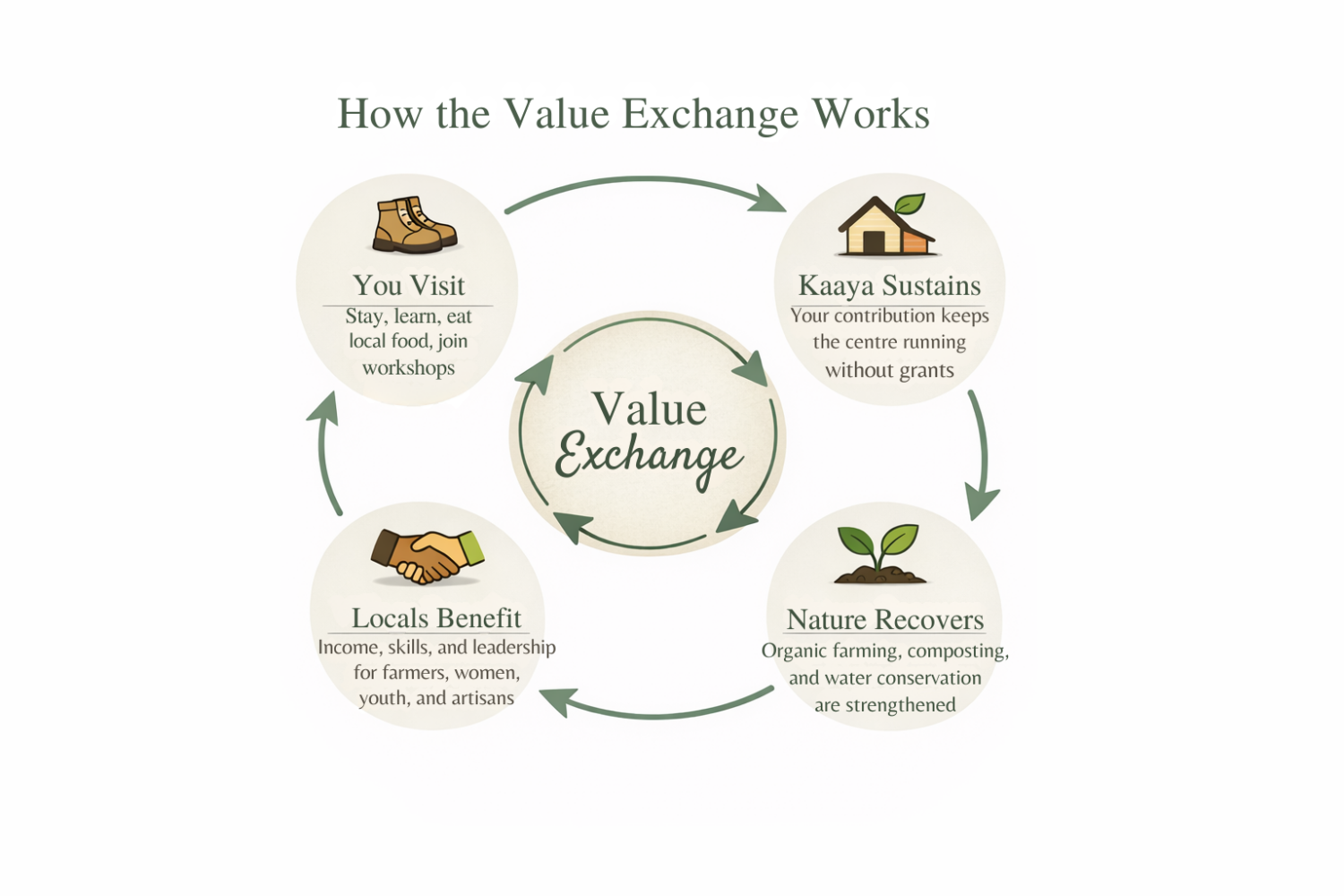
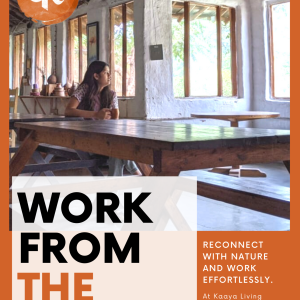
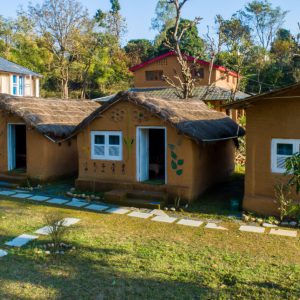
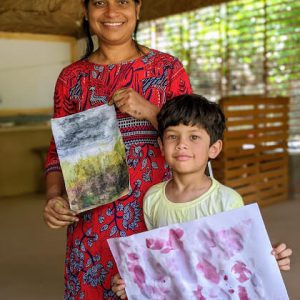
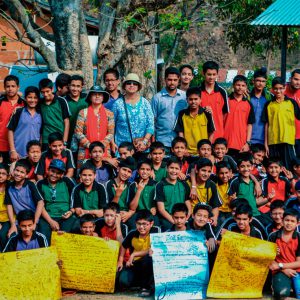
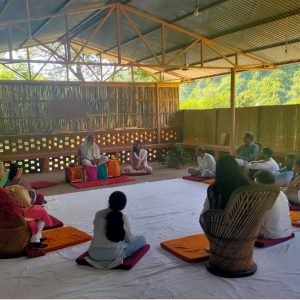
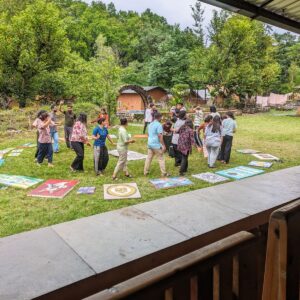
At Kaaya, every stay, workshop, and meal is part of a Value Exchange. Whatever you give — time, curiosity, and resources — flows directly into the local community, creating dignified work opportunities, enhanced skills, and a healthier ecosystem.
The Core Idea
At the heart of Kaaya’s progress is its innovative Value Exchange System. This system wasn’t just a good idea—it was a necessary solution. Kaaya evolved from a traditional non-profit project into a self-sustaining social enterprise to solve a common problem: the need to break the cycle of grant dependency.
Think of this system as the core engine that turns the money and time spent by urban visitors into real, sustainable benefits for the local rural community. It’s a powerful model built on the idea of mutual benefit—a two-way street where both visitors and local residents gain something truly valuable from their interaction.
Who’s Involved in This Exchange?
The Value Exchange System brings together two key groups, each playing a vital role in creating sustainable impact.
Urban Visitors
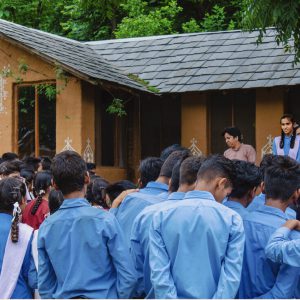
🎓School Students
Experiential learning
Environmental camps
Sustainability education
👨👩👧👦Families
Authentic retreats
Familication packages
Nature connection
💼Professionals
Team-building exercises
Corporate workshops
Meaningful collaboration
Rural Community
🌾Farmers
Assured market access
Better prices
Direct sales to visitors
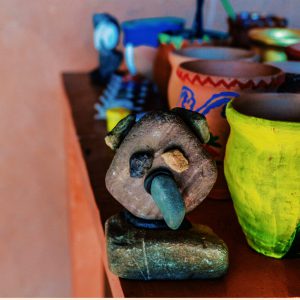
🎨Artisans & Craftspeople
Consistent work
Handloom & pottery
Fair market pricing
👩💼Women & Youth
Employment opportunities
Leadership roles
Mentorship programs
A Visitor’s Action
Kaaya’s Immediate Gain
The Community’s Benefit
A school pays for an eco-camp.
Revenue to cover operational costs (staff, maintenance).
Direct income for local guides, cooks, and resource persons hired for the camp.
A family buys crafts at the Souvenir Shop.
Revenue from product sales, strengthening Kaaya’s financial base.
An assured market and better prices for local artisans and farmers whose products are sold in the shop.
An NGO holds a workshop.
Income to fund operations and a surplus to sponsor community programs.
Internship and mentorship opportunities for local youth (like the Padav Fellowships) funded by the surplus.
A visitor buys produce at the Farmer’s Market.
Strengthened reputation as a community hub, attracting more visitors to all facilities, including the café.
Farmers sell directly to consumers, increasing their income and receiving incentives to grow more diverse organic crops.
This table reveals the system’s powerful multiplier effect. A single payment from a visiting family doesn’t just go to one place; it immediately divides and ripples through the local economy. A portion pays the salary of the local woman managing the front desk, another portion buys fresh vegetables from a farmer in the training program, and another portion pays a local artisan who led a craft workshop. By generating its own revenue this way, Kaaya breaks the “cycle of grant dependency” and builds a truly self-sustaining foundation for the community
Real Impact on the Ground
Empowering Women (creating feminine spaces)
Women’s leadership lies at the heart of Kaaya. By managing guest relations and bookings, local women have become the first point of contact—creating a natural filter that attracts respectful, conscious visitors such as families and solo travellers.
This leadership sets in motion a virtuous cycle:
Women-led spaces foster safety and trust → Conscious guests feel welcomed → Community values are strengthened → The right kind of visitors keep returning
Over time, this cycle has shaped Kaaya not just as a place to stay, but as a space held with care, dignity, and shared responsibility
Creating Jobs and New Skills
The economic impact of Kaaya is significant and measurable. Over a three-year period, the center generated 4,320 mandays of employment and created a continued livelihood for 7 members from local community. A key example of skill development is the farmer training program under the PMKVY 2.0 initiative. This program had a 70% adoption rate, with trained farmers increasing their monthly income by ₹2,225 to ₹4,200. They learned advanced techniques like rapid composting, which reduced the time from three months to just 18 days, boosting their productivity and income.
Protecting the Local Environment
The Value Exchange System inherently supports environmental protection by making sustainability profitable for the community. This connection encourages and funds key ecological activities.
Promoting organic farming techniques and the use of natural fertilizers.
Demonstrating and providing training in vermi-composting.
Implementing community-based water conservation and spring recharge measures.
These tangible impacts show how the model creates a holistic and resilient local ecosystem.
Be a part of the Exchange
Whether you come as a visitor, learner, or partner — your presence helps a village grow with dignity.