Kaaya: Experience · Engage · Express

The idea

A few people chose to live in a village, to see what would happen

That was 2011. The question is still open, and Kaaya keeps exploring it through how the campus is built, how it works with the village, and how it welcomes visitors.

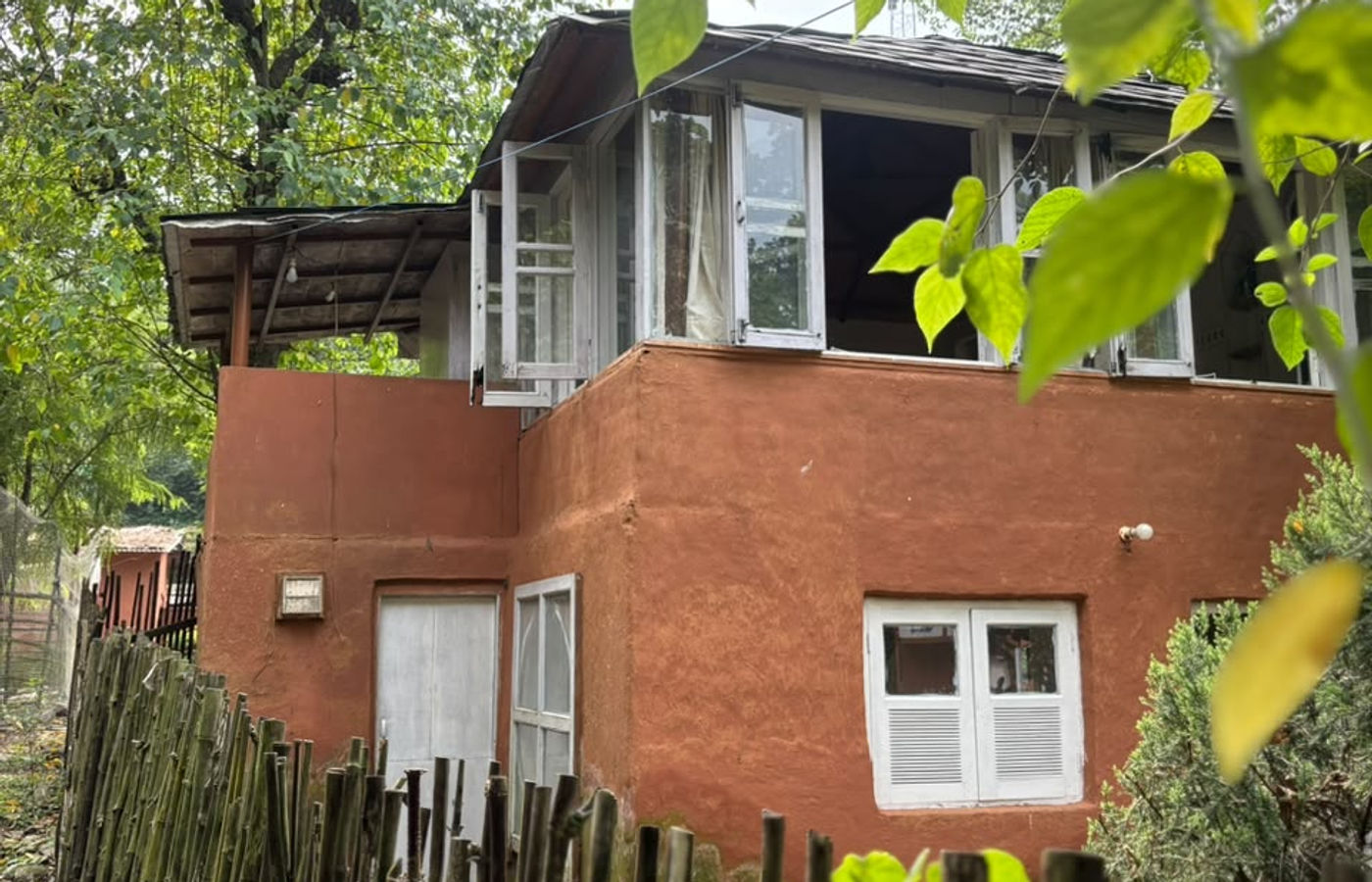
A mud-built house at Kaaya

Kaaya means body

In Sanskrit, kaaya is the body. The name keeps the work tangible: building with mud, growing food, eating together. It is also why the café and stays are called Kaaya Offline. You have to come and feel it.

Kaaya began as a rural–urban connect. Supermarkets, online shopping and phones have pulled the city and the village apart. Kaaya tries to make the exchange between them flow both ways, so each gains from the other.

It is run as a social enterprise, held for now by K-Green Life Pvt Ltd until a better institutional form emerges.


Built from what the land offered

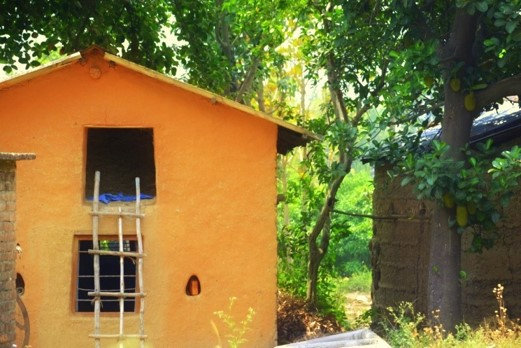
No architects were hired. The walls are made of soil dug on site, by people from the village who know how to build with it. Mud breathes, keeping the rooms cool in summer and warm in winter. The huts follow the contours of the land, close enough to share, apart enough for quiet.

The newest building, the Annexe, joins traditional and modern methods, with local craftsmanship in its beams. Local soil, local skills and local knowledge kept the cost low.

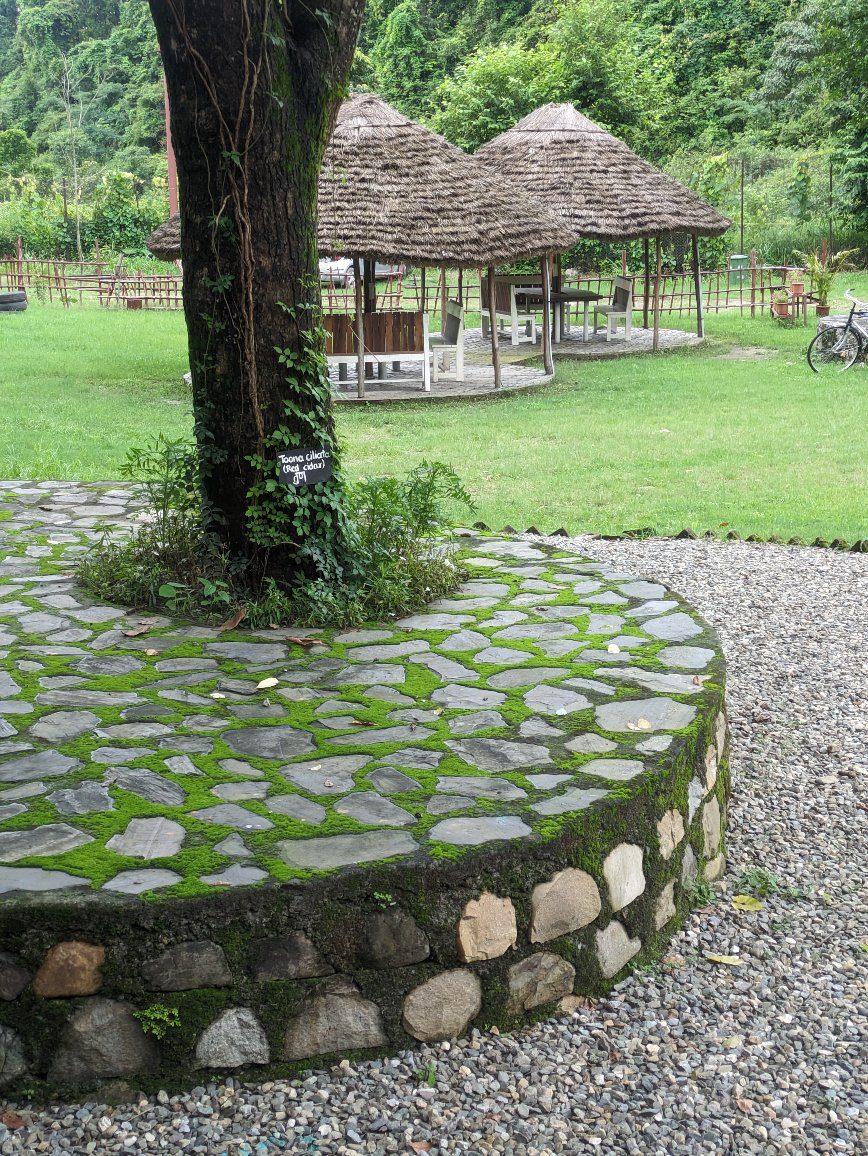
A stone-paved tree platform with thatched huts behind, on the Kaaya campus
Stone, mud and thatch, from the land around.

These are not conclusions

On connection

The exchange between city and village should flow both ways.

On value

A school camp pays local cooks and guides; a jar of pickle turns a farmer's surplus into income. Small exchanges like these keep some value close to home.

On making

Start from what a place already has, not from what it lacks.

On knowing

Expertise lives with the people who depend on it every day, like the dairy farmer who knows feed, costs and purity better than any textbook.

On learning

Students know the theory but have rarely handled living soil. Unstructured time, even boredom, has its place.

On living

In Tilwari, wellbeing depends on neighbours, animals and the land. Sustainability is a way of life before it is a project.

Origins

6 November 2026

Building Kaaya, Building Community: The 2013 Kedarnath Tragedy

In June 2013, the monsoon brought a calamity to the Kedar valley that took thousands of lives. It called for a humanitarian response unlike anything these mountains had seen.…

Read more →
Re-imagining the Kaccha Ghar
24 June 2026

Re-imagining the Kaccha Ghar

By Zahara Czar, Intern at Kaaya Learning Center, May-June 2026 The village of Tilwari in Uttarakhand is witnessing a quiet rise in newly constructed mud houses. For generations,…

Read more →
Making of Kaaya
24 June 2026

Making of Kaaya

The beginnings to embrace nature In the larger pursuit of “development and growth”, many of us lose our connection with nature, with ourselves, our families, our communities and…

Read more →
All origins →
ShareWhatsAppLinkedInFacebookX