When the Farmer Became the Teacher
Kaaya began with an admission: we didn't know much. We came to the village wanting to grow food, keep cattle and save seed, and soon found that none of it could be learned from a…
Read more →
Learning Centre
Experience, engage, express. Most of the learning here comes from the people who live it: the farmer, the potter, the cattle keeper, the women who grow and cook. Kaaya steps aside and lets the village teach, and we keep learning alongside the groups who come.
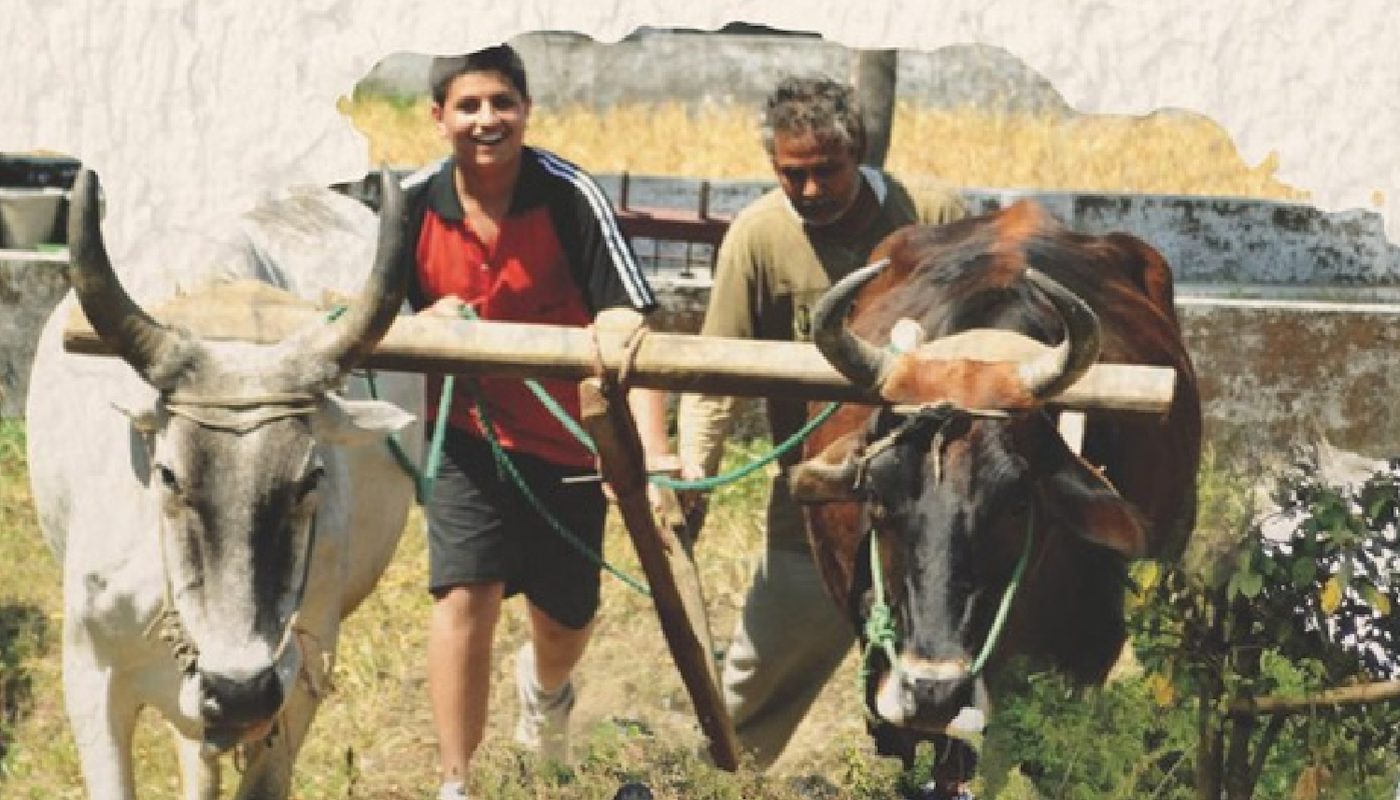
The person who leads the milk journey owns the cows. He knows what a cow eats, what it costs, how the milk is tested and what he is paid for it, because his living depends on it. Farmers are paid for sharing what they know.
Students arrive having read and debated climate, food and sustainability. Here they find the ground that ties it together. Every journey mixes thinking, seeing and touching, and doing.
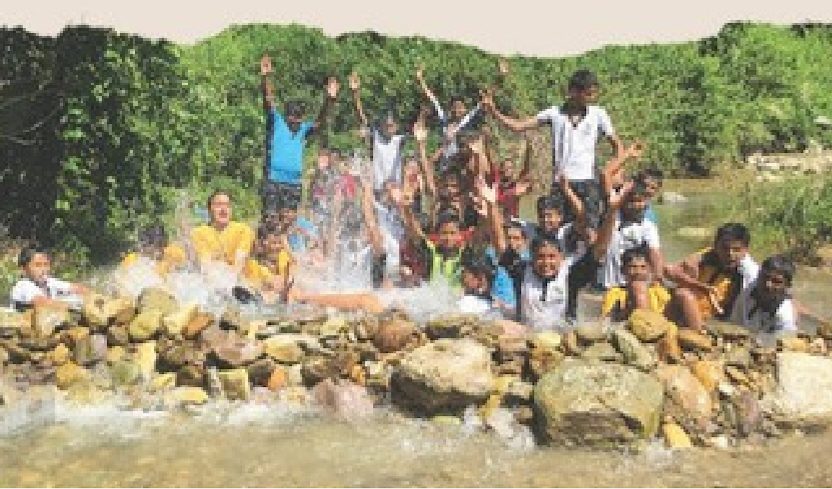
Forests, streams, smells and sounds, a little fear and a lot of delight. We value unstructured time too, and sometimes let a busy child be bored, because that is often where imagination comes back.
Students use appreciative enquiry: looking first for the strengths a person or a village already has, and how an outsider might help build on them.
In the maker's space young people upcycle and reuse, and make seed bombs for reforestation, so that a large problem comes with something they can do with their own hands.
Supermarkets and screens keep the city and the village apart. Time here shows how village life quietly supports city life, and what each of us can do as a consumer.
The seed journey: ploughing with bullocks, levelling and furrowing, preparing manure, treating and sowing seed, and later harvesting, winnowing and grinding. How much science, wisdom and labour goes into the food we eat.
A day in the life of a dairy farmer: cutting and mixing fodder, feeding, washing and milking, testing the milk for fat, and how the village milk cooperative works.
The building blocks of mountains, rivers and forest, the rocks and soil we stand on, and the ecological history of the land.
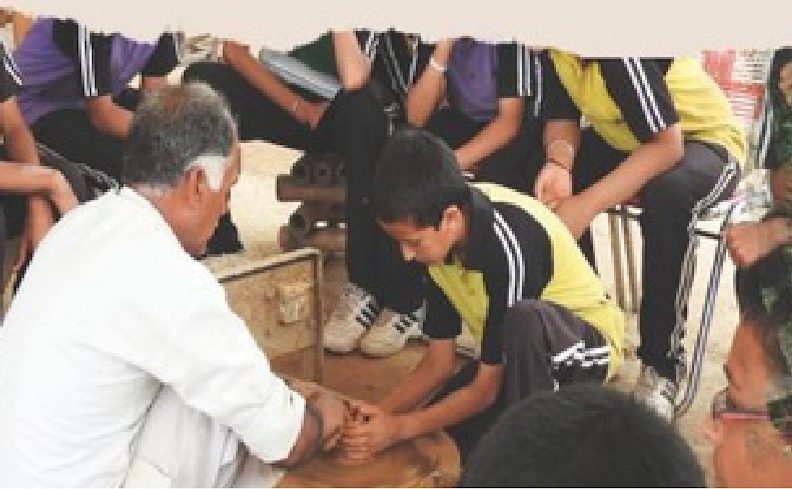
Mud architecture, compost and kitchen gardens, biogas, water mills and water harvesting, with local guides; trails to read the forest; and pottery, craft and clay with village artisans.
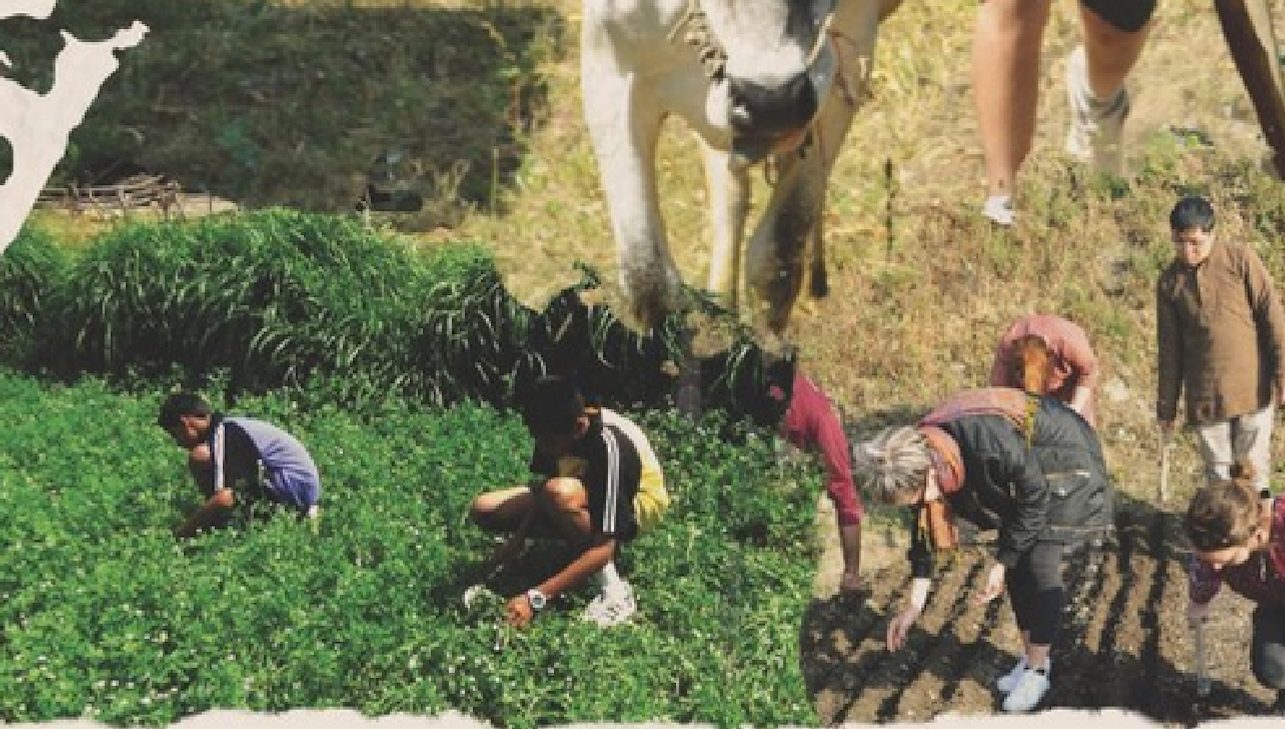
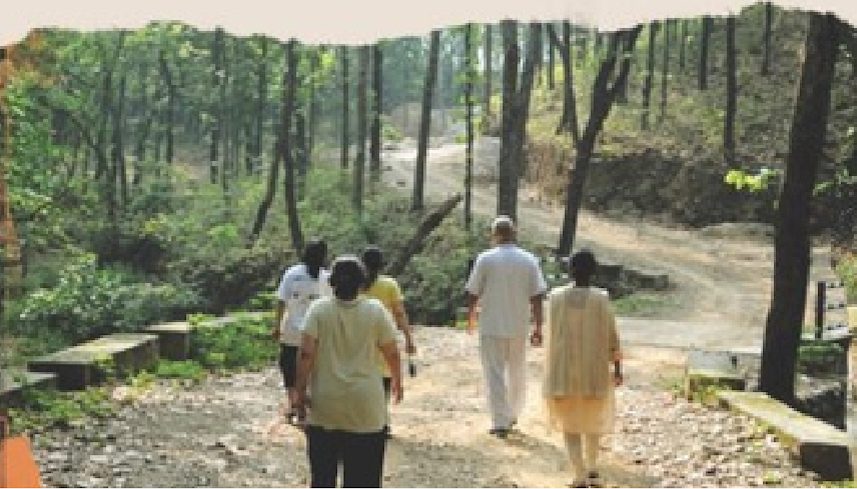
The journeys touch six themes: water, forest and conservation; agriculture and food; dairy and cooperatives; craft and artisans; traditional knowledge; and rural society and the panchayat.
For schools: the food, milk and soil journeys in a working village, linked to what children study in class. Summer camps where city children make friends across schools.
Students choose a real local need and work on it in teams with the people concerned: listening, documenting, planning and making something together.
Students and young professionals bring their own subject to a practical problem in the village, for an internship, a dissertation or a live project.
Workshops, exposure visits and partnerships, using the hall, the amphitheatre and the village.
Sushil Kumar comes from a family of potters. As plastic and metal replaced clay, the rest of his family left the craft, but he still loves it. Kaaya set aside a room on the campus as his studio, where he can work, sell and teach. Students meet his family, document how soil becomes a pot, and help design the space with the carpenter, while asking why pottery is growing in cities and fading in villages.
Women farmers trained in organic growing had a new problem: what to do with the surplus. Kaaya began buying it at market rates, with Sureshi Panwar weighing and paying on the spot. Students visit the farms, trace each step from field to shopping bag, learn pickle-making, and think about how city demand can reach the farmer directly. It grew into the Farmer's Market.
Learning at Kaaya is guided by people from the village and a small team who have run camps with children and young adults for many years. Sureshi Panwar, an educator and community coordinator from one of the neighbouring villages, takes children well beyond the textbook. Darshan Lal helps students link what they learn in books to real life around them. Alongside them are the farmers, cattle keepers and artisans who are the real teachers here.
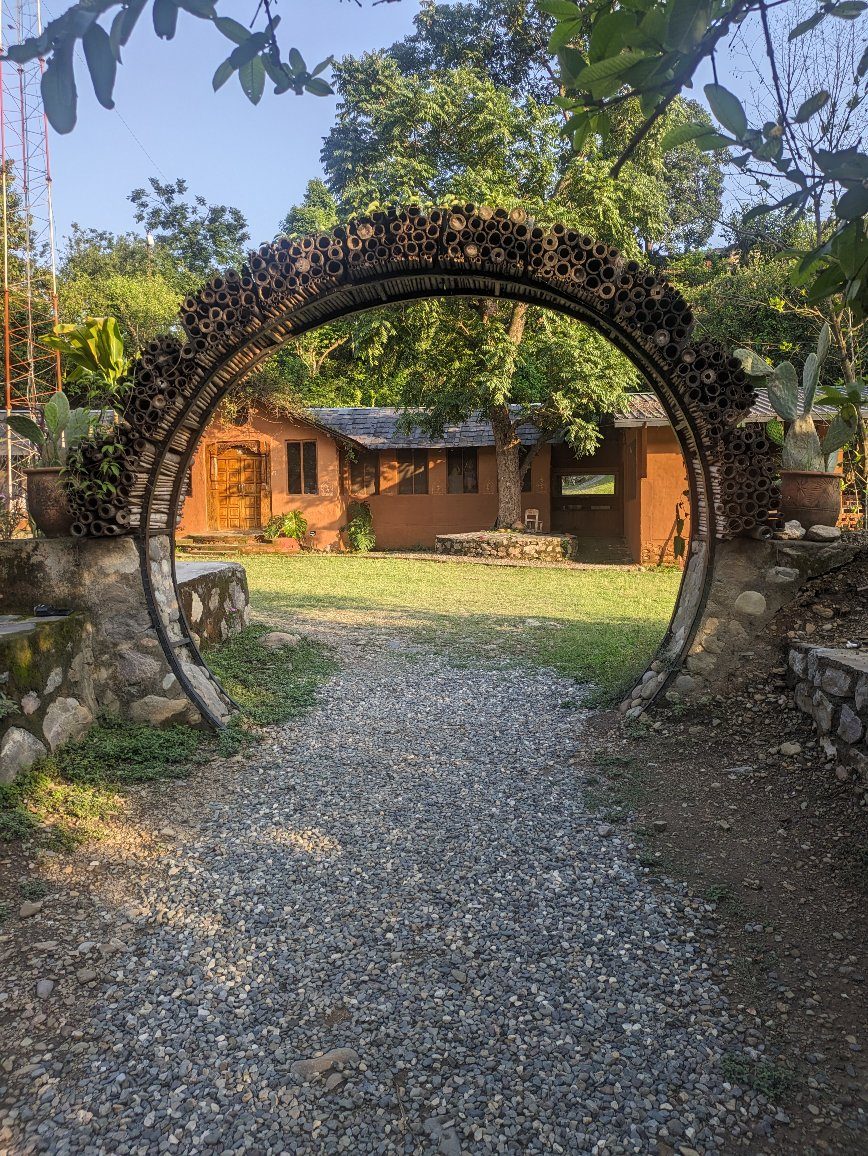
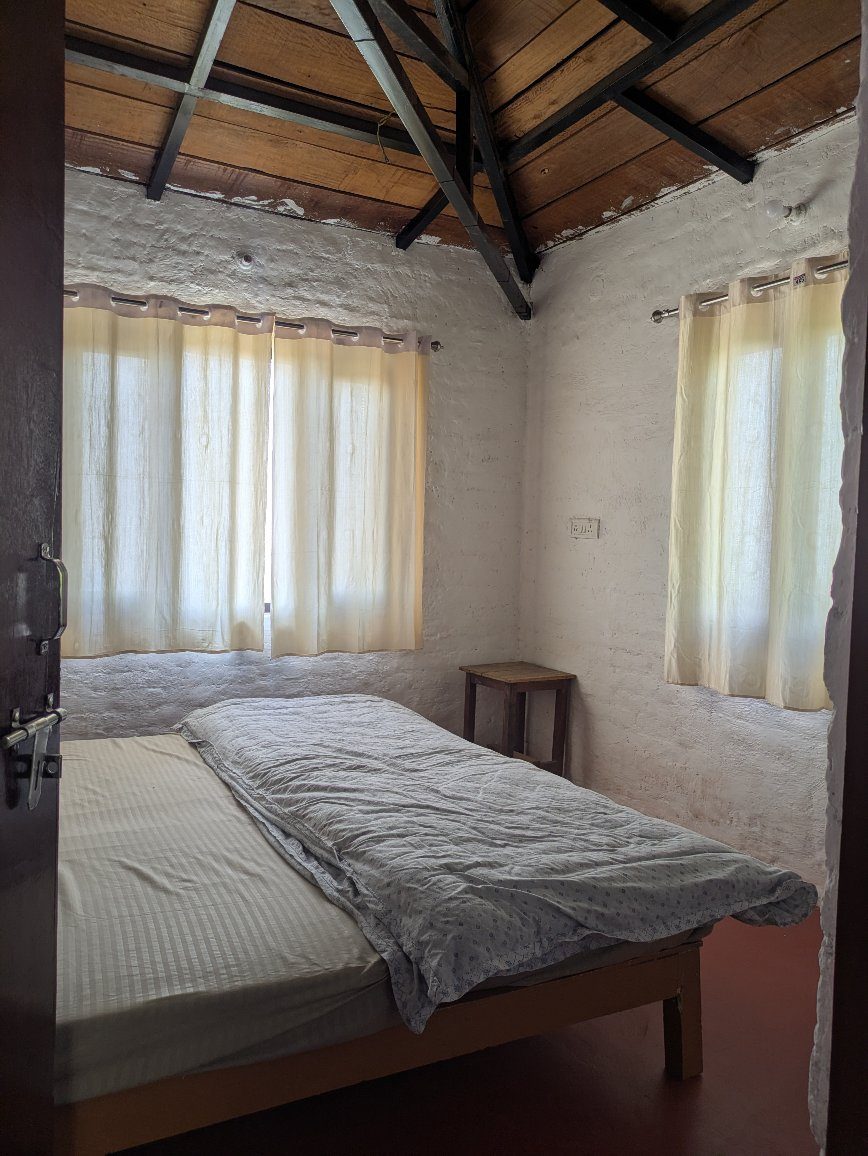
Mud cottages and a dormitory built from the site's own soil, a hall, an open-air amphitheatre, sit-outs and lawns, a kitchen garden, and the village all around. Forty minutes from Dehradun.
The Kaaya Experience (2019): children learning from farmers on the seed, soil and milk journeys.
A study tour: the Sociology Department of Janki Devi Memorial College, Delhi University (2019).
Schools, colleges, government departments and teams come to Kaaya. Visits are planned together with the teachers or organisers, and arranged through Kaaya Offline ↗.
Kaaya began with an admission: we didn't know much. We came to the village wanting to grow food, keep cattle and save seed, and soon found that none of it could be learned from a…
Read more →The outcome of this summer camp program should also interest parents, as it shows that participating in such a camp is more than just sending their kids to digitally detox, have…
Read more →Plan a field trip for students In class rooms, students engage with different aspects of pressing global issues related to environment, climate change or sustainability covered in…
Read more →